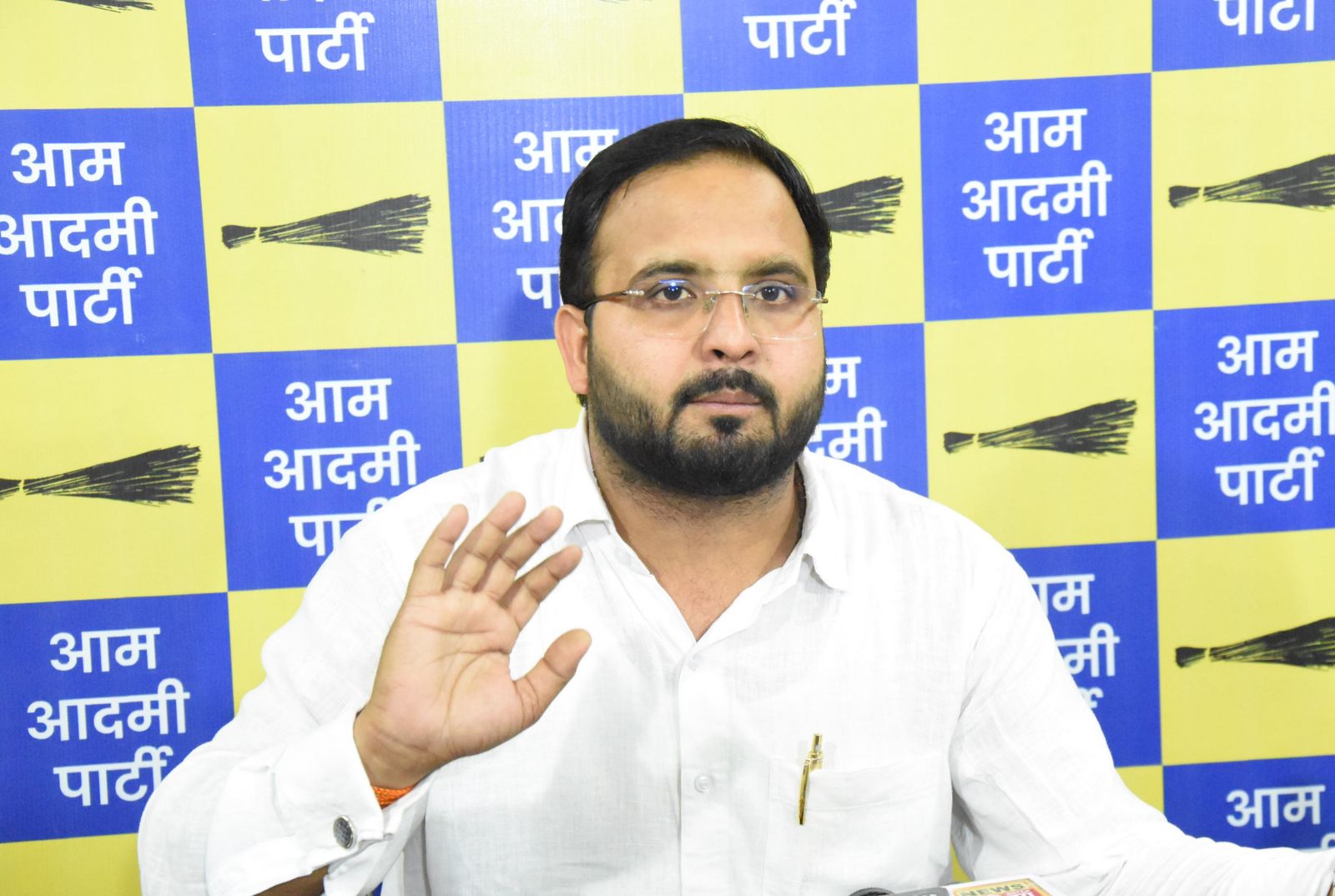
Lucknow: Aam Aadmi Party (AAP) Uttar Pradesh Chief Spokesperson Vanshraj Dubey has launched a sharp attack on the state government following reports of a public disagreement between Energy Minister A.K. Sharma and the Chairman of the Uttar Pradesh Power Corporation. Dubey described the episode as a reflection of administrative dysfunction, excessive bureaucratic control, and a growing disconnect between elected representatives and decision-making authorities.
Addressing the media, Dubey said that reports indicating the Energy Minister had raised concerns regarding recruitment practices, staff restructuring, and financial decisions within the power department raise serious questions about governance and accountability. He argued that if a cabinet minister is compelled to formally communicate concerns about developments within his own department, it suggests deeper issues in the functioning of the administration.

According to Dubey, the controversy has highlighted what he termed an imbalance between elected officials and the bureaucracy. He alleged that key decisions are increasingly being driven by officials rather than public representatives, leaving ministers with limited authority over departmental affairs.
The AAP spokesperson also referred to media reports suggesting that concerns had been raised regarding employee appointments, transfers, and policy implementation. He questioned whether elected representatives were being adequately informed and involved in important decisions affecting the department and its consumers.
Dubey further stated that the situation becomes particularly concerning when questions emerge over major decisions impacting electricity consumers, including financial burdens related to power tariffs and related charges. He said transparency and accountability are essential in matters that directly affect millions of citizens.

He noted that the ongoing controversy has come at a time when consumers across the state continue to face challenges related to electricity supply, rising costs, and service concerns. Instead of internal disputes, he said, the government should focus on improving service delivery and addressing public grievances.
Calling for greater transparency, Dubey demanded an independent and high-level inquiry into the issues raised in the public domain. He urged the government to review recruitment processes, administrative decisions, and policy implementation within the power sector and place all relevant facts before the public.
Concluding his remarks, Dubey said that the episode has sparked an important debate about governance, accountability, and the balance of authority between elected representatives and bureaucratic institutions. He stressed that the state government should provide clarity on the matter to restore public confidence and ensure effective administration.